


Most Perth homeowners spend a pretty penny on turf, reticulation and topsoil and then watch as it all falters by next summer. The lawn patches up and browns in some areas. Water just pools there rather than getting absorbed and the roots never go deep enough to make it through the heat of summer. But of course it’s almost always too late to figure out the real cause the ground wasn’t properly broken up before you planted anything.
Perth’s soil across the Swan Coastal Plain looks like a pushover to work with just pick it up and it falls apart. Walk over it after a builder’s equipment has been trundling across it for a few months though, and the same sand turns into a solid layer that water and roots just can’t penetrate, not without a bit of mechanical help. And that is exactly the problem that a rotary hoe hire can sort out, one of the most underused tools in residential landscaping across Western Australia.
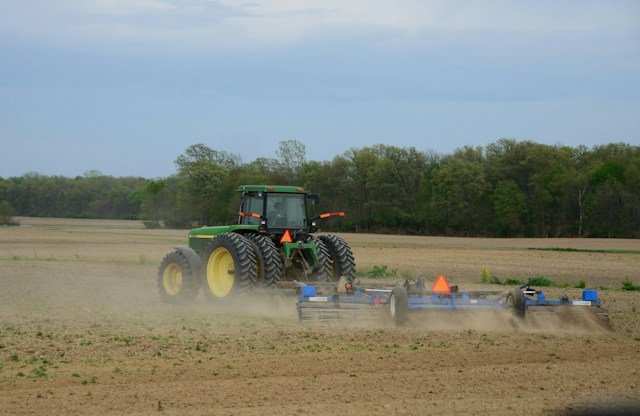
What a Rotary Hoe Actually Does to Perth Soil?
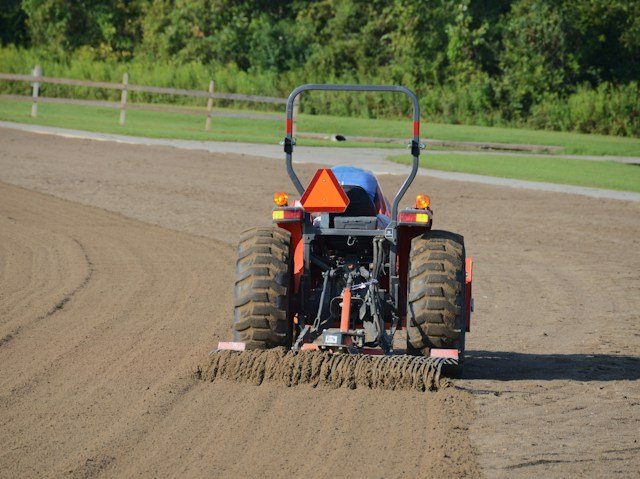
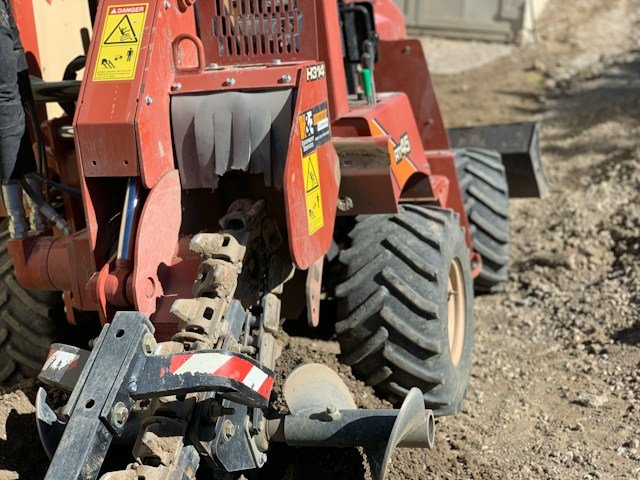
The machine drives a bunch of hardened tines through the ground as you back up, which is why the freshly turned soil never gets compacted again by the weight of the machine. With an attachment mounted on a mini loader it can cover a full one meter in width per pass and that is a real game changer. Those machines are capable, not just a bit of an upgrade over a garden fork. Plus, you’re looking at a depth of around 150mm in virgin or super compacted ground.
The real key to doing it right is the hydraulic drive system on a mini loader attachment. It lets you vary the speed so that you can give harder compacted areas a slower, more deliberate treatment while taking softer bits in your stride.
Why Domestic Tillers Fall Well Short?
A walk-behind domestic tiller might get down to 80-100mm in the perfect conditions (which isn’t exactly a given for Perth residents). But try using one on a block that’s been baked hard by a dry summer and compacted by all the traffic from the builders and it barely makes a dent. A rotary hoe attachment on a mini loader can cut 50% deeper and cover four times the area per hour that’s the difference between a job that works and one that quietly goes to pot over the next season.
The Projects That Actually Justify Rotary Hoe Hire
Preparation for a new lawn is an obvious use, but there is more:
- To loosen compacted ground prior to a concrete pour, chipbark, or gravel install when raking and bucketing alone provides an insufficiently level foundation.
- For preparing established lawns prior to topdressing when the underlying soil has been compressed by the grass mat into an almost impermeable layer.
- For preparing narrow garden beds between fence lines or other structures where it’s not practical to access with larger equipment.
- For loosening the topsoil of new estate blocks in suburbs such as Baldivis or Ellenbrook where the bulk earthworks have left very compressed fill as the initial soil structure.
The Hidden Cost of Skipping Soil Preparation
Australian Bureau of Statistics construction data through 2025 shows that alterations and additions continue to be a substantial part of construction work in Western Australia. A part of this work under-delivers due to poor soil preparation being seen as optional.
Poor soils dry out faster in Perth summers. Irrigation water flows along the surface of the impermeable compacted layer rather than sinking down into the ground, leaving dry spots even though the reticulation system is functioning normally. This problem is usually only noticed later after the grass has been installed and becomes more expensive to fix than hiring would be.
Hire vs. Buy: The Numbers That Actually Matter
The cost of an outright purchase of a rotary hoe attachment varies between $1,800 and $3,500 depending on the specification. In the case of a homeowner who only undertakes one or two landscaping projects annually, the hiring process covers maintenance, servicing, storing and transport expenses associated with the equipment unlike ownership of the equipment. Professional landscapers who undertake numerous jobs on a weekly basis have another formula. The financial benefits of hiring are apparent for all other users.
A Few Practical Tips That Make the Hire Day Work
Water your land 24 hours before the project if the weather has been very dry as the tines work effectively in moist soil. Mark the reticulation lines before you start as a rotary hoe will cut easily at 150mm through poly pipe. To achieve a better seed bed, carry out two runs with the machine, one following the length of the area and the second one across. If removal of soil after tilling is required in order to lay a fresh base, it is better to carry out this operation first with the rotary hoe and then use the bucket attachment.
Once your soil preparation is done properly, everything else is possible.