


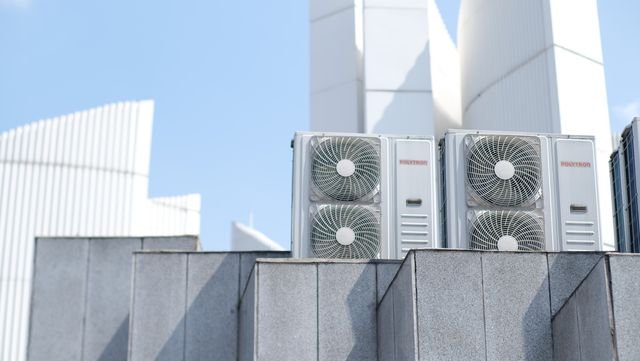
A home that stays comfortable in the middle of winter and through the peak of summer is one of the most important things a good heating and cooling system can deliver. The challenge for most homeowners isn’t deciding whether they need one it’s navigating the range of options available and understanding which system will genuinely suit their home, their budget and how they live day to day. Getting that decision right from the outset saves considerable frustration and expense compared to discovering a mismatch after installation is complete.
Types of Heating and Cooling Systems Available
The residential heating and cooling market covers several distinct system types, each suited to different homes, budgets and comfort priorities. Ducted reverse cycle systems provide whole-home climate control from a single unit, using a network of ducts to deliver conditioned air to every room while offering the option to zone different areas independently. Split system air conditioners handle individual rooms or open-plan living areas efficiently and are a practical choice for homes where whole-home ducted coverage isn’t required or isn’t feasible. Multi-head split systems extend this to multiple rooms from a single outdoor unit, reducing the number of external units required while maintaining room-by-room control. Evaporative cooling offers a cost-effective and energy-efficient cooling option that works well in drier climates, drawing fresh outside air through water-saturated pads before circulating it through the home. Gas ducted heating remains a popular choice for homes that want reliable, powerful warmth through the colder months, with running costs that can compare favourably to electric alternatives depending on the local energy tariff. VRV and VRF systems suit larger homes and commercial applications where a higher level of zoning control and energy management is required.
How to Choose the Right System for Your Home
Choosing the right heating and cooling system begins with an honest assessment of the home its size, layout, insulation quality and how the occupants actually use the space across different seasons. A system that is undersized for a given floor area will struggle to maintain comfortable temperatures and run inefficiently, while an oversized system may cycle on and off too frequently and fail to properly dehumidify the air in cooling mode. The level of zoning required also shapes the decision considerably, since a family that wants different temperatures in different parts of the home at the same time needs a system designed to deliver that rather than one that treats the entire house as a single zone. Energy efficiency ratings, government rebate eligibility and the long-term running costs of each system type are all worth considering alongside the upfront installation cost, since the cheapest system to purchase is not always the cheapest to run over a decade of use.
Benefits of Professional Installation and Ongoing Service
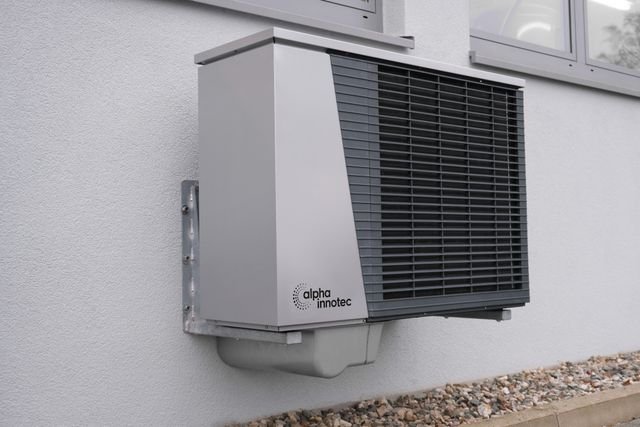
The long-term performance of any Melbourne Heating and Cooling system depends as much on the quality of installation and ongoing maintenance as it does on the product itself. A correctly sized and properly installed system operates at peak efficiency, maintains warranty coverage and delivers consistent comfort without the breakdowns and performance issues that often arise from substandard work. Regular servicing keeps filters clean, identifies minor issues before they become costly failures and ensures the system continues to operate as efficiently as it did when new. For homeowners upgrading from an older system, working with a trusted local installer who takes the time to understand the home’s needs before recommending a solution is the most reliable way to ensure the outcome matches the investment.