




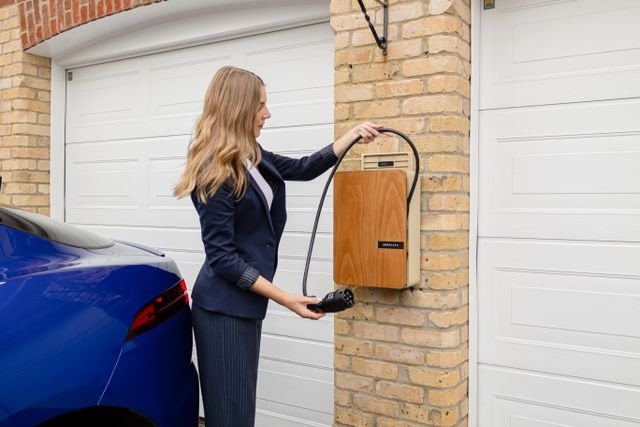
The end solution may appear simple, but careful EV charging work requires seeing charger installation as an electrical and household planning decision rather than a gadget buy. Before deciding on scope or appearance, it is important to carefully consider the details of available capacity, circuit protection, and cable routes. Observing available capacity provides the expert with useful evidence rather than a general wish. Placing circuit protection beside it reveals competing priorities, but the issue of cable paths reveals where everyday operations could be improved. With wire paths still visible, the project can evolve around a clear objective rather than disjointed elements.
Start with the existing switchboard.
Before deciding on ev charger installation perth, write down everything you already know about available capacity, circuit protection, and cable routes. Details regarding available capacity provide the provider with a more precise starting point than a generic request for the best option. Information about circuit protection can reveal a constraint or an opportunity before making a commitment. The debate should link cable routes to the desired scope, and any uncertainties about cable routes should be acknowledged. This transparency about available capacity safeguards expectations while leaving flexibility for expert discretion.
Match Charging to Real Travel
The focus should then shift to nightly dwell time, weekly mileage, and tariff periods. The decision to include overnight dwell time must serve a function rather than become a feature in and of itself. Similarly, weekly mileage should be evaluated for reach, timing, accessibility, and usability. Looking at tariff periods in a realistic environment can reveal issues that drawings or descriptions do not. The treatment of tariff periods completes the sequence while also clarifying responsibilities. These data about overnight dwell time demonstrate that a tailored plan recognises the persons involved.
Place the Cable Where Life Is Simple.
Long-term confidence is determined by parking position, weather exposure, and trip dangers. The decision on parking position should contain a clear description of maintenance, monitoring, and aftercare. Any advise for weather exposure must distinguish between what is known and what still requires professional assessment. Determine which indicators near trip hazards might prompt a review, repair, or change of course. Records relating to travel hazards can be useful when comparing progress or performance afterward. Planning these quieter nuances around the parking location safeguards the outcome after the major construction is completed.
Keep Future Capacity in View
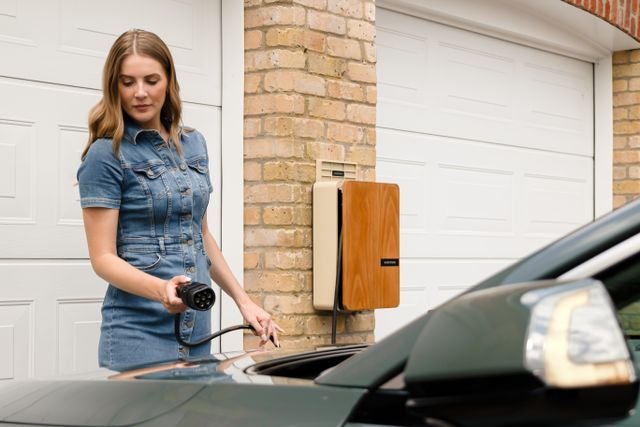
Bring the previous review back to a second car, solar integration, and changing charger standards. Consider whether a second vehicle still supports the initial priority after all additional features are included. The management of solar integration should be appropriate, because refinement is frequently more beneficial than raw quantity. When the approach for modifying charging standards is simple to grasp, people are more likely to care about the outcome. A sensible plan for altering charger standards allows for flexibility without undermining the entire decision. That equilibrium around a second vehicle is what allows an outcome to be helpful when the novelty wears off.