



Dealing with a lot of waste is always a factor, whether you are managing a building project, cleaning out a property, landscaping your lawn, or renovating your home. Skip bins provide a useful, economical, and practical way to handle trash removal without having to make frequent journeys to the tip.
Skip bins are utilised by businesses, builders, tradespeople, and residents throughout Australia. They may be used for everything from a big demolition project to a little garage cleanout because they are available in a variety of sizes. It’s as simple as filling the garbage at your own pace and making arrangements for it to be picked up when you’re done.
Things to Take Into Account Before Hiring a Skip Bin
The first and most crucial factor to consider when renting a skip bin hire is its size. Underestimating the volume of your waste is a common and expensive error because bins are usually measured in cubic meters. The majority of hire businesses provide sizing advice, and in order to prevent the need for a second delivery, it is usually preferable to order somewhat larger than you anticipate.
The location of the bin will also need to be taken into account. A level, accessible surface is ideal if it will be done on your property. You could need a permit from your local government if you need to put it on a public road or nature strip. This process can frequently be assisted by your skip bin provider.
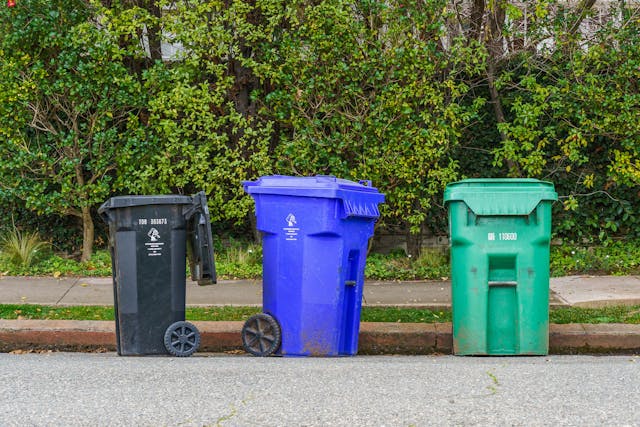
What Is and Is Not Suitable for a Skip Bin
Common materials acceptable in skip bins include general household debris, wood, metals, bricks, soil, green waste, and furniture. There are limitations on what can be disposed of, though. Asbestos, chemicals, tires, petrol bottles and liquid waste are examples of hazardous materials that are usually prohibited and must be disposed of through specialised channels.
Before filling the bin, be sure everything you are discarding is appropriate by consulting your provider. For the sake of transportation safety, overloading the bin—that is, putting waste over the fill line—is also forbidden and may result in further fees.
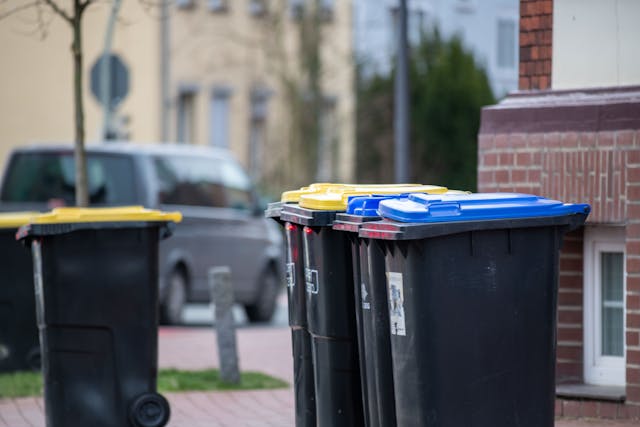
Getting the Most Out of Your Skip Bin Rental
Make the most of your hire by filling the bin as quickly as you can by disassembling bulkier objects and, if you can, stacking rubbish flat. This makes the most of the available space and lessens the likelihood that a second bin will be required.
While it’s usually a good idea to compare pricing from a few local suppliers, money shouldn’t be the only consideration. When deciding who to hire from, dependability, bin condition, and explicit terms about hire periods, weight restrictions, and additional fees are all important considerations.