

The transportation of gravel to a driveway becomes difficult when the truck must travel through a steep, twisty road. Mundaring residents might find it hard dealing with the impact of slopes, rainfall, bushland around their area and fire laws. The nature of such an environment influences the choice of material and the durability of such materials. Selecting appropriate sand and gravel supplies involves understanding the property rather than considering cost.
The Way Hills Impact The Construction Process
As opposed to suburban flats, the hills pose some difficulties regarding material selection and installation for sand and gravel supplies Mundaring. On sloping areas, water flow becomes fast and washes away loose gravel. What seems like a secure path in dry seasons will erode into deep channels after a rainy season. In such cases, selecting the right material size becomes much more important than bulkiness.
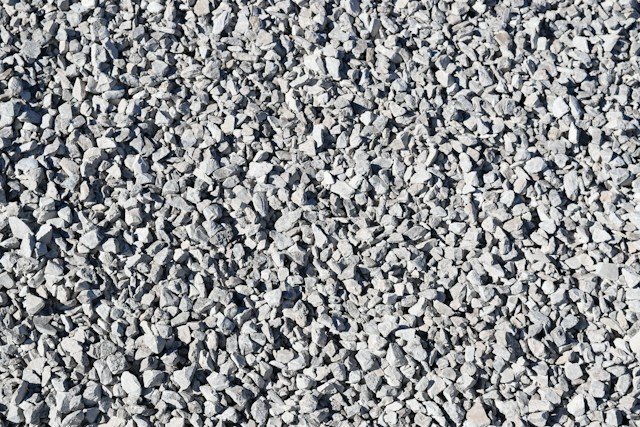
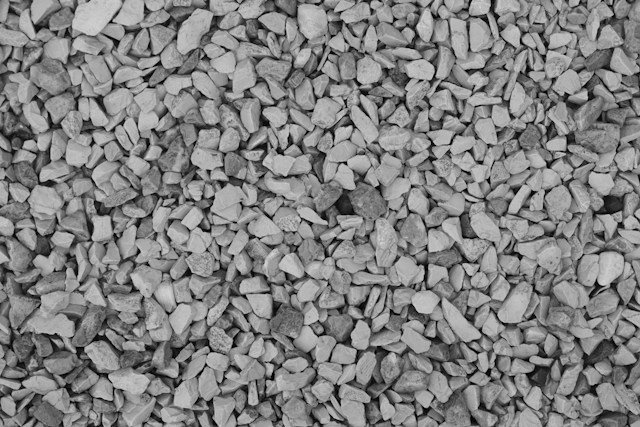
The crushed gravel with both coarse and fine material will form a solid path for vehicles. However, round-shaped stones are easily washed away.
Check The Fire Requirements Before Planning Your Next Surface Project
Mundaring is one of those areas where bushfires are a real concern, and that makes accessing your property a safety priority. The Shire typically demands firebreaks that are at least 3 metres wide and have four metres of clear space above them, no branches or whatnot. But be aware that the rules can change so it’s a good idea to check every year to make sure you’re up to date.
These are firebreaks on your own property, not your driveway, so don’t think that just laying down a gravel track is going to cut it. Emergency vehicles are huge and heavy, and need a bit of room to turn so the firebreak notice will set the requirements for you.
Before you start ordering materials, grab some local advice; it will prevent a whole heap of costly mistakes. You can either get in touch with the Shire’s emergency team or just knock on a few neighbours’ doors. They’ll know what works well on steep land and can give you a bit of a heads-up.
What Public Bushfire Funding Means For You?
Bushfire prevention is a major priority in the Perth Hills and gets a lot of public funding. In 2026, the Shire announced a whopping $888,546.84 for 44 bushfire mitigation treatments across 18 sites. Now this is a good thing for the community, but don’t go thinking this will cover your private driveway or firebreak costs. It’s still a good indication of the Shire’s focus on access and vegetation management in the area.
Choosing The Right Materials For Your Job
When it comes to materials, one size does not fit all. You might end up overbuying or buying the wrong thing if you don’t get it right. The common ones are:
- Road base and crushed rock: good for driveways, access tracks and areas needing heavy vehicle traffic.
- Drainage gravel: used behind retaining walls and around agricultural drainage pipes.
- Bedding sand: used for pavers, pipes, cables and other underground services.
- Decorative stone: looks good in the garden but won’t do much for grip on sloping surfaces.
Before you start buying materials, you need to get a good idea of the ground conditions on your property, and that can be harder than it sounds. You might not know what lies beneath the surface until you start digging and hit some tree roots, clay or rocky ground. Dig a small test hole before ordering anything to save yourself a headache later on.
Organising Deliveries Of Gravel And Sand
Now this can get tricky. With narrow roads, sharp bends and branches hanging low, large trucks might not be able to get all the way to the job site. Some sites might need smaller vehicles or a better location for unloading near the entrance. A tractor or trailer can then do the rest.
When you place an order, make sure to give the supplier all the details about the slope, road conditions and gate width. It makes a big difference to the size of truck they can send, delivery costs and scheduling.
Keeping Your Gravel Surface In Good Nick Over Time
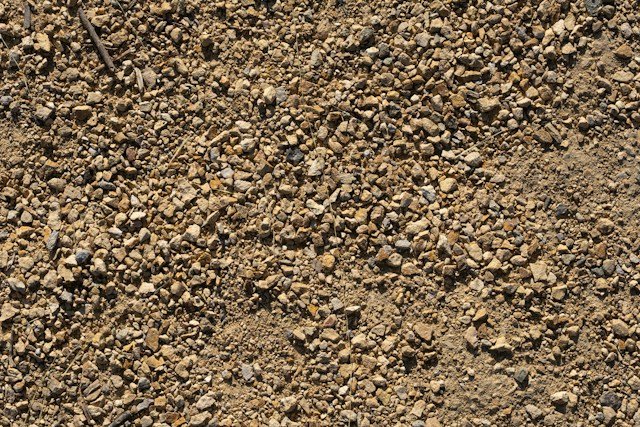
Even with a good surface to start off with, it needs some TLC over the years. Keep an eye out for ruts and repair them before they get deeper, clear out blocked drains, and take a bit of time to trim any branches that are getting in the way of the sun. A bit of sunlight helps dry the surface after a rain and stops further damage.