



A building report should give you a good idea of what’s wrong with a place, like that roof that needs fixing or the likely cost to put it right. But it just can’t give you a glimpse of what’s going on beneath the surface, like what’s happening to that sewer pipe under your lounge room floor. Inspectors need cameras to take a look inside those underground pipes, but buyers hardly ever even think about them before slapping in a bid at auction.
The plumbing regulator here has got some pretty interesting stats. Back in 25-26, they inspected over 2,400 brand new underground drains and 29 per cent didn’t quite meet the mark. Of those that failed, 12 per cent just weren’t up to standard and 17 per cent weren’t quite ready for inspection. With new homes, that makes you wonder what could be lurking beneath a place built back in the sixties.
Where a Building Report Stops Rubbing Its Eyes?
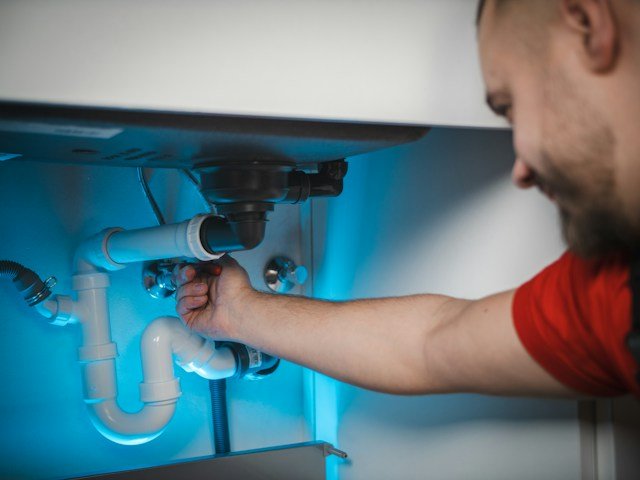
Consumer Affairs Victoria reckons a good building report should flag up any problems and give you an idea of how much it’ll cost to fix them. That makes the report a pretty good starting point for buyers, but it’s all very well until you consider what your inspector can actually see and get to. A standard report is just following some Australian standard or another and it looks at the roof, subfloor, the rooms and the whole site, but the inside of underground pipes are a different story and need a separate plumbing inspection Melbourne booking to check.
A building inspection and a plumbing check therefore serve different purposes, even if they do sometimes come up with some similar findings. For auction buyers this is especially important because auction contracts are generally unconditional. Buyers need to get their checks done before they start bidding, not when the hammer comes down. Booking a ‘plumbing inspection in Melbourne’ service at least gives them a chance to go digging before they commit.
What a Camera and a Little Bit of Scrutiny Can Pick Up?
An open home might look spiffy with fresh paint and new taps, but that doesn’t necessarily tell you much about what’s going on behind the scenes. A specialist plumbing inspection takes a close look at the areas you can’t see just by looking around a property.
- Underground pipes where a camera might show up cracks, sagging sections and tree roots.
- Hot water units where the age plate and any rust near the base could give you a problem.
- Gas lines and appliances where faults can be a safety risk rather than just costing you money.
- Roof and balcony drainage where faults can be lurking until a big downpour exposes the weakness.
Older homes have a different problem, of course; clay pipes and their joints age differently from modern PVC pipes. Even with a camera, though, there’s only so much you can see; you can’t get to all areas. A good report will let you know about these limitations, rather than pretending everything has been checked.
- Underground sewer and stormwater pipes
- Hot water units
- Gas lines and appliances
- Roof and balcony drainage
What Paperwork Can & Can’t Prove, And Why Does It Matter?
Paperwork provides buyers with another tool to gauge plumbing work without ripping out walls or digging up pipes. Some plumbing jobs need a compliance certificate regardless of cost; gas appliance installations and new below-ground drains are a couple of examples. Then there are others where you need a certificate if the total value of the work tops $750. However, only a licensed plumber can give the certificate, and you’ve got to get it from them within five days.
Be warned, a plumber can’t just issue a certificate for work they didn’t do or supervise; that’s actually an offence. And it could leave both the plumber and the customer without mandatory plumbing insurance. Buyers can ask sellers for certificates covering recent work on bathrooms, hot water or gas appliances. If a renovated bathroom has no certificate, that’s worth looking into before settlement. But certificates have their limits because audits only look at a sample of certified work.
Reading The Regulator’s Drain Results: The Fine Print
That 29 per cent failure figure may not be as cut and dried as it seems. The two components describe different problems. A drain that doesn’t meet the required standard has a defect that could need to be dug up and repaired. A drain that’s not ready for inspection is a different sort of issue; it’s more to do with timing and process.
Plumbers have to book an inspection for below-ground sanitary drains before they get covered up. If the inspector doesn’t turn up within 30 minutes of the time you booked, the trench can be filled in. Once that happens, the pipe is effectively lost unless you need to look at it again later.
These figures are for newly installed drains, so they don’t directly tell you how underground pipes deteriorate as they get older. For an older property, a camera inspection is the way to go to see what condition the pipes are really in.
Turning A Report Into A Decision: What Needs Fixing Now & What Can Wait?
A building report is useful when buyers understand what needs fixing right now and what can wait.
- Fix It ASAP: Sewage leaks, gas faults and active leaks that threaten the safety or structure of the property.
- Keep An Eye On It: Old hot water units, light root growth and slow drains that haven’t caused damage yet.
- Leave It For Later: Worn-out tapware and tired fittings that can wait until the first renovation.
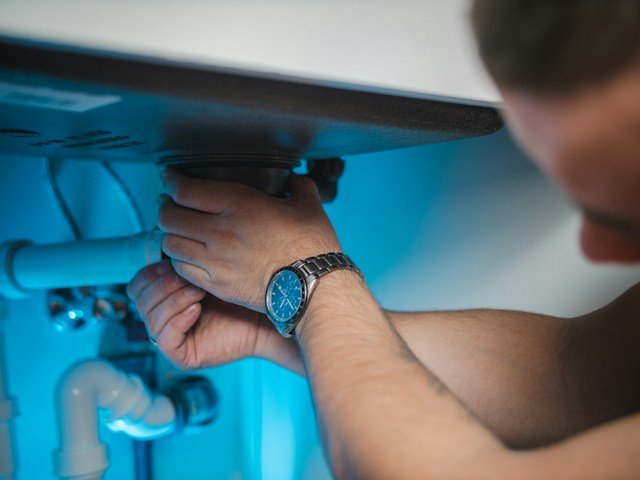
Although a building report can estimate repair costs, a serious plumbing fault usually requires a separate quote. Buyers can use that quote when negotiating the property price or making the repair a condition of the contract. It also helps to have an inspector who has no financial interest in the repairs; they’re less likely to exaggerate the problem.
Before visiting the next open home, buyers should ask one important question: has anyone ever looked inside the pipes? They should also check what the inspection covers, which sections are off limits and whether the report includes camera footage. Booking a ‘Plumbing inspection Melbourne’ service before the auction can turn a hunch into cold hard facts. Sometimes those findings change the offer; sometimes they prevent a very expensive mistake.