



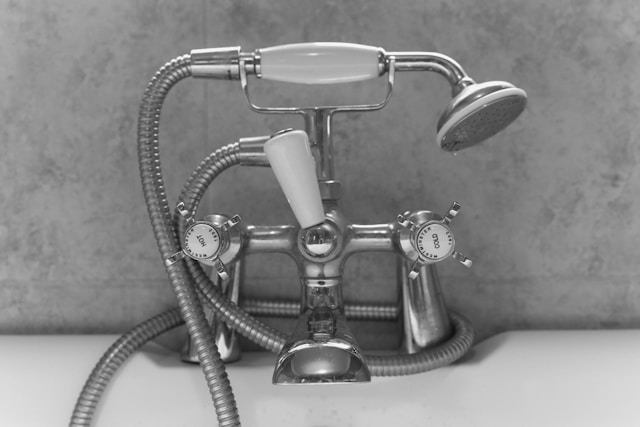
Australian shower bath guides mostly highlight the concepts of styling and despite enumerating many benefits, they are not analysed further. They omit the importance of reason as to why the purpose-designed shower baths are superior to the standard baths equipped with overhead shower roses. The change in building regulations is so much more drastic once the showerheads are included in the bathroom plans, but it is an important aspect that guides are never paid much attention to. Both omissions impact the budgets of renovation projects and dictate whether your completed bathroom will be safe and reflect your day-to-day requirements.
The Bath Size Right in Australia
In most of the houses around the country, 1500 mm is the default bath length with the widths measuring 700 mm to 800 mm. That would work well in the average family bath. In tight en-suites and apartments shower baths start at 1200 mm, and really do without moving walls or pipes. When there is room, move to the 1600 mm or 1700 mm and taller individuals feel the difference immediately. This is one aspect that many buyers will never bother considering how the standing platform fits in the movements and height of their own. Even then, a 1500 mm shower bath still clings to your fashion in the shower-cabin when the space between the taps seems to be a squeezer, no matter how much position you have to stretch into a long bath. Look at the size of the platform, not the total length as you will not find most brochures telling you this.
Use in Showers: Material Performance Is the Main Use
Most Australian shower bath suppliers import acrylic, steel enamel and stone resin products to consumers. Acrylic is superior in retail availability because it has various practical benefits. The material is warm to the touch, it weighs less than the alternatives and it moulds easily into large standing spaces that shower baths require. Good acrylic paint will resist scratches when it is used commonly but rough cleaning compounds may corrupt the surfaces over time. The steel enamel provides conflicting performance features that are appropriate to various tastes. The steel surfaces have an enamel layer that is very scratch-resistant, as well as stain-resistant, and the base is harder steel which forms a solid standing point with no movement of the surface. Installations on upper floors have to be conscious of the additional weight of steel baths, and the surface cools before being heated by hot water.
What Do the Australian Building Regulations Actually Demand?
The Australian shower bath manuals do not include their regulatory requirements in an accurate way producing some grave consequences to the cost of renovation and legality. The National Construction Code and the ABCB Housing Provisions Part 10.2 categorise any bath that is fitted with overhead shower installations as shower areas that demand high standards of waterproofing. Once showers are incorporated into the setup, there are no longer any bath-only waterproofing standards. Wall waterproofing shall extend 1800 mm above floor substrates and shall at least extend by 50 mm that measured above the connections of the shower rose when that height is longer than the standard height. All the areas of a shower floor are fully waterproofed including the hobs and step-downs in the region. The most recent version of domestic wet area waterproofing (AS 3740:2021) that replaced the 2010 update is the Deemed to Satisfy solution of NCC.
When putting a shower rose over top of a freestanding bath and omitting the use of a glass screen, the waterproofing should extend into a radius of 1500 mm around the rose edge; this area is normally radiant on the floors long distance away beyond the bath sides. It has been found in studies cited by Shower Repairs Australia that seven out of ten buildings erected after 2000 in this country have experienced water leaks, the majority of which are as a result of insufficient waterproofing.
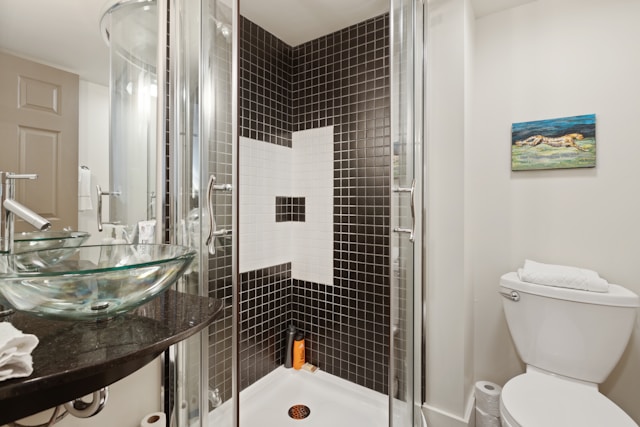
The Actual Argument in Favour of a Shower Bath
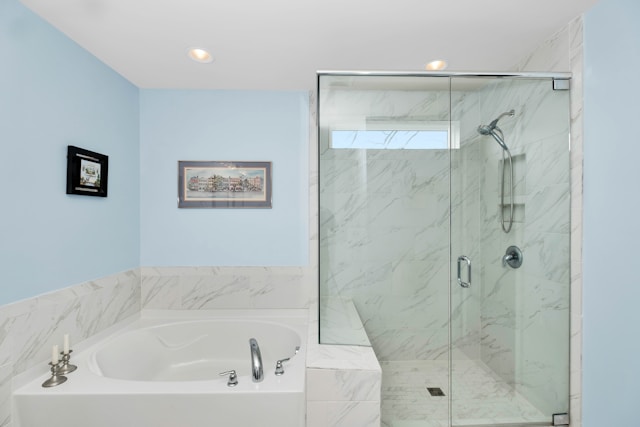
The shower baths put themselves forward with benefits practically, not just with the space that it saves, but space efficiency is also of significance. Integrating two fixtures into a single wet zone makes it easier to construct single waterproofing systems, drainage connections and tap assemblies. Budgeted renovations are appreciating the consolidated wet areas which saves on material expenditure and the hours spent on licensed trades persons. Water consumption is influenced by context and is never fixed by the choice of a tool of consumption. At ground floor baths, 10 minutes of a shower under the 4 star WELS head is about 70 litres; comparison of the Australian bath at 7 litres per minute under normal conditions puts a shower at 10 minutes using 4-star WELS heading almost at 95 litres. Shower baths enable households to choose their desired choice at any given time as opposed to terms that are permanent.
The choices of Australian bathroom shower bath must not be made with just appreciation of the size and style of the bathrooms. The product that you have settled on must reflect certain dual uses such as dedicated standing zones and achieving appropriate attachments to the screen. The construction materials should be capable of taking the repetitive stress of the daily showers and not only intermittent baths. Each installation is required to reach NCC and AS 3740: 2021 requirements on shower-zone waterproofing, and whether inset or freestanding. All three requirements must be met in a way that the shower bath will last decades not months. This is the way to be successful, and this is how shower baths follow the same strategy that makes them look good when they are new.