



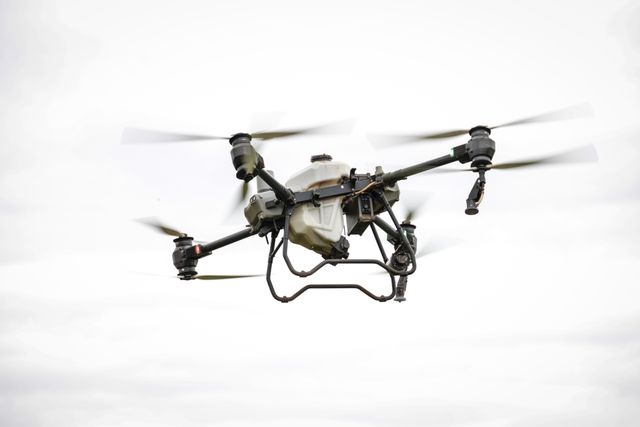
Drone surveying has moved well beyond novelty aerial photography to become a genuinely practical tool across a wide range of industries. By capturing detailed imagery and data from above, drones allow project teams to assess sites, monitor progress and inspect structures in ways that are often faster, safer and more cost-effective than relying on ground-based methods alone. From construction sites to agricultural land, the applications for drone surveying continue to expand as the technology becomes more accessible and accurate, making it an increasingly common part of standard project workflows.
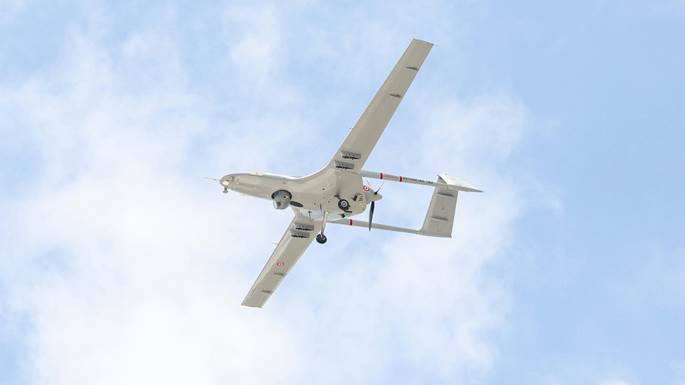
Types of Industries Using Drone Surveying
Drone surveying has found a home across a surprisingly broad range of sectors. In construction and engineering, drones are used to monitor site progress, verify quantities and capture time-lapse visualisations that document a project from start to finish. Agricultural operations rely on drone surveying for vegetation mapping and monitoring, using multi-spectral imagery to assess crop health across large areas far more efficiently than manual inspection would allow. Infrastructure and utility providers use drones to inspect assets such as transmission lines, substations and mobile phone towers, reducing the need for workers to access these structures directly. Emergency services and disaster response teams also make use of drone surveying to assess damage and plan responses quickly following events such as floods, storms or bushfires, when timely information can make a significant difference to the response effort.
How Drone Surveying Captures Reliable Data
The accuracy of drone surveying comes down to a combination of careful planning and advanced technology. Before any flight takes place, operators assess the site for airspace restrictions and safety considerations, ensuring the survey can be carried out legally and without unnecessary risk. High-resolution cameras capture detailed imagery and video, which can be supplemented with thermal or multi-spectral sensors depending on the purpose of the survey. Combining this aerial imagery with GNSS and RTK positioning data allows the resulting measurements to achieve a high level of spatial accuracy, comparable to traditional ground-based surveying methods. Once captured, the data is processed into formats such as digital terrain models and 3D surface models, making it directly usable within existing engineering and planning workflows.
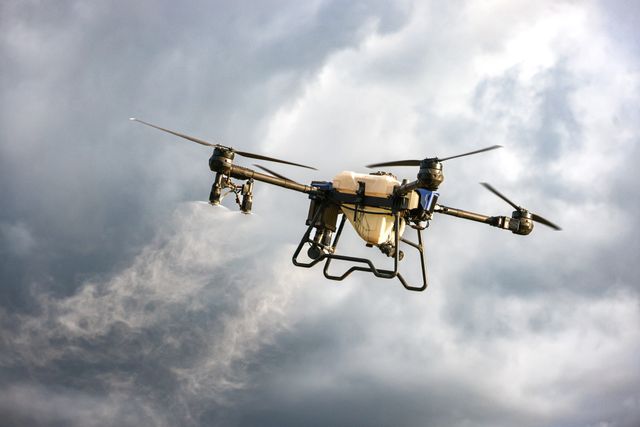
Benefits of Choosing Drone Surveying Over Traditional Methods
The advantages of drone surveying become clear once compared against the time and risk involved in traditional ground-based approaches. Large or difficult-to-access sites can be captured in a fraction of the time it would take to survey on foot, allowing projects to progress without unnecessary delays. Inspecting hazardous structures from the air also removes the need to put personnel at height or in difficult terrain, significantly improving safety outcomes. For industries managing large areas or extensive infrastructure, the ability to repeat surveys regularly and track changes over time adds further long-term value, particularly when monitoring gradual changes such as erosion, vegetation growth or construction progress. As drone technology continues to improve, drone surveying is increasingly becoming the default choice for projects that demand both speed and precision.