




Mobility and independence are key components of wellbeing for many people as they get older. Physiotherapy is a major part of supporting this, and is used to help older people with pain, regain function following an injury, improve strength and ensure physical function for everyday living. Quality physiotherapy is either provided in the aged care facility or in the person’s own home and can have measurable impacts on the comfort and independence of elderly people far beyond the treatment room.
Types of Physiotherapy Treatment Used in Aged Care
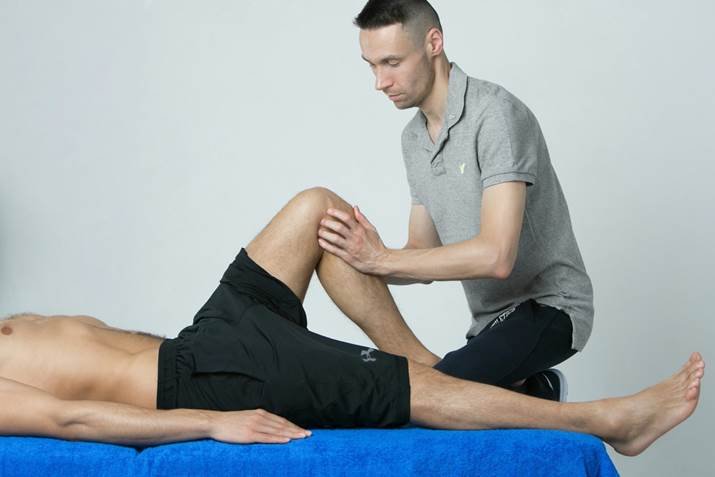
There are many different types of physiotherapy treatment that can be applied to aged care settings, depending on the specific needs and circumstances of each client. Manual therapy, such as hands-on joint mobilisation and soft tissue techniques, targets stiffness and pain which often occur as part of ageing, bringing movement back into a restricted and/or painful area. Therapeutic exercise programs are designed to the patient’s ability and specifically their desired outcome, helping build strength, balance and coordination in a manageable and sustainable manner for older adults. Dry needling is a technique that is performed for a specific area of pain, typically a chronic muscle tension or referred pain that has failed to significantly respond to other treatments. Education is also an integral component of physiotherapy, educating patients and their carers on movement pattern, safe exercise techniques and strategies to manage their ongoing condition at home between visits.
How Physiotherapy Is Delivered in Home and Facility Settings
Physiotherapy for “aged care” clients is becoming more common in the setting in which they live and spend their time, which is increasingly the site from which they are receiving it, as opposed to having to travel to a clinic. In-home physiotherapy ivanhoe will enable you to see how the patient moves and functions in their home, and also opportunities and risks that would not be identified in a clinical setting. Treatment is then provided in a familiar environment, which is especially important for patients with dementia or who have a real physical and/or logistical need to remain in their own environment. On-site Physiotherapy can provide consistent care for residents of aged care facilities based on a relationship approach that develops over time as the physiotherapy professional becomes familiar with each resident’s history and objectives. Plans are put in place in consultation with staff at the facility, GP’s and family members to ensure that treatment is relevant to the overall health management of each person.

Benefits of Physiotherapy for Older Adults
For older people, the advantages of regular physical therapy are more than just pain relief. Regular treatment helps to maintain and often enhance the degree of physical function and independence older patients can achieve, and thus the dependence upon others in carrying out daily activities and the overall quality of life. Fall prevention is also important and there are programs that work on balance and strength that have been shown to decrease the risk of falling, which can have severe long-term effects on the elderly patient. Physiotherapy can be an ongoing support for chronic conditions like arthritis, neurological conditions or those resulting from a stroke, helping to manage symptoms and maintain function over time. When families and health care professionals know that the patient is under the care of a physiotherapist who is paying close attention to their physical needs and is an expert in the field, they are made much more comfortable to know that everything is done right.